
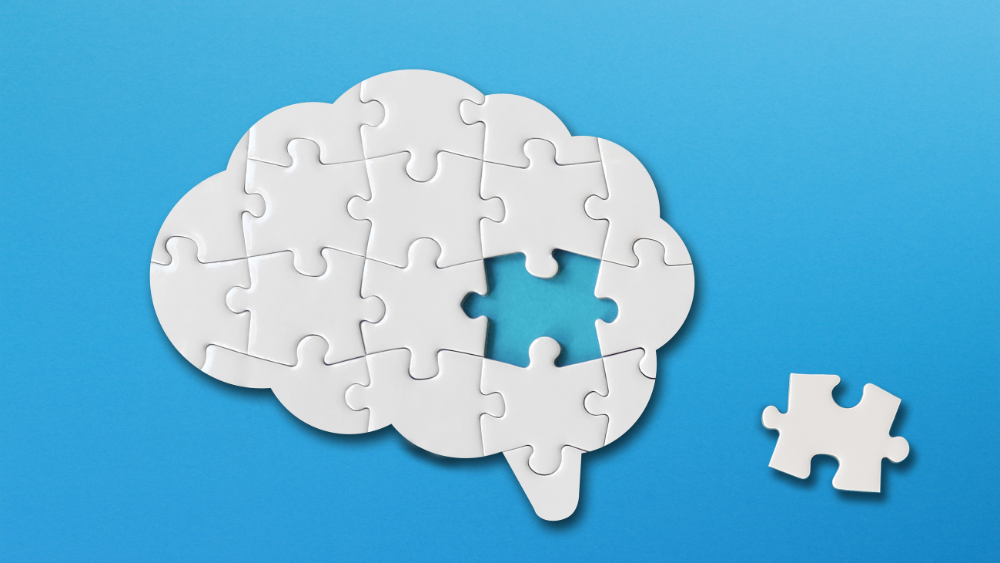
Understanding Neurodiversity Beyond Awareness
Neurodiversity Celebration Week offers an important opportunity to reflect on how we understand, support and include different ways of thinking, learning and experiencing the world. Awareness has grown significantly in recent years, which is encouraging. More organisations are talking openly about ADHD, autism, dyslexia, dyspraxia and other neurodivergent experiences than ever before. Yet awareness on its own is only the starting point. Genuine inclusion happens when understanding translates into thoughtful environments, practical support and opportunities where neurodivergent people can truly thrive.
At its core, neurodiversity simply recognises that human brains are wired differently. These differences are natural and valuable, bringing strengths such as creativity, pattern recognition, innovative problem solving, emotional insight and deep focus. When organisations learn to recognise and support these strengths, they don’t just benefit individuals, they strengthen teams, performance and workplace culture more broadly.
Rethinking Traditional Systems and Barriers
Many existing workplace and education systems were designed around neurotypical assumptions. Recruitment processes, communication styles, rigid schedules and even physical environments can unintentionally create barriers. Something as simple as unclear instructions, sensory overload or traditional interview formats may prevent neurodivergent individuals from demonstrating their full capabilities.
Encouragingly, addressing these barriers often doesn’t require dramatic change. Clearer communication, flexible approaches, alternative interview formats and psychologically safe environments benefit everyone. Inclusion rarely helps just one group; it tends to improve experiences across entire organisations.
There is also increasing evidence that neuroinclusive organisations see stronger engagement, retention and innovation. Exploring the research behind inclusive workplace performance can be helpful here:
A Joined-Up Approach to Skills, Employment and Wellbeing
Inclusion doesn’t sit solely within the workplace. It spans education, employability support, health provision and community environments. Neurodivergent individuals may benefit from tailored learning approaches, confidence-building opportunities or holistic wellbeing support alongside career development.
Taking a joined-up approach — where skills, employment and health are considered together — can significantly improve long-term outcomes. This kind of integrated support helps people progress sustainably rather than simply overcoming short-term barriers.
From Awareness to Action
Across AKG, this thinking is already shaping how support is being designed in practice.
One example is the development of the BRIDGE team within AKG Employment, an initiative bringing together colleagues with lived experience of neurodiversity alongside practitioners who support neurodivergent participants every day.
The team is helping to develop practical tools and learning sessions for Employment Coaches, including resources focused on recognising strengths in the workplace and supporting participants to better understand the environments where they are most likely to thrive.
As Cara Jankowski, Improvement Lead for AKG Employment, explains:
“Many neurodivergent individuals bring incredible strengths to the workplace, but they can sometimes face challenges if those strengths aren’t recognised. The BRIDGE team is about helping our colleagues better understand neurodiversity and giving them practical tools to support participants in a way that builds confidence and unlocks their potential.”
Initiatives like this highlight an important shift: moving beyond awareness towards practical, strengths-based support that helps people build confidence, develop skills and progress into sustainable employment.
Moving Towards Strength-Based Conversations
Another positive shift is moving away from deficit focused narratives. Historically, neurodivergence was often framed primarily in terms of challenges. While support needs are real and important, focusing exclusively on difficulties can obscure capability.
Strength-based conversations recognise what people do well, how they think differently and where they can contribute most effectively. This approach not only supports performance but also reduces stigma. When neurodiversity is understood as part of natural human variation, conversations become easier, disclosure feels safer and support becomes more proactive.
For organisations wanting to develop more inclusive practices, practical guidance can help turn intention into action.
Creating Inclusive Environments That Benefit Everyone
Perhaps the most important mindset shift is simple curiosity. Listening to individual experiences rather than relying on assumptions leads to better outcomes. There is no single neurodivergent experience, just as there is no single neurotypical one. Flexibility, empathy and openness go a long way in building environments where people feel able to contribute fully.
Neurodiversity inclusion isn’t about a single awareness week, campaign or policy. It’s an ongoing commitment to designing systems, workplaces and communities where different ways of thinking are recognised, valued and supported. When inclusion is approached thoughtfully, the benefits extend far beyond individuals, strengthening organisations, communities and society as a whole.
As conversations around neurodiversity continue to evolve, the opportunity ahead is clear: move beyond awareness, embrace understanding and create spaces where everyone has the opportunity to contribute and succeed.
As organisations, educators and employment providers continue to evolve their approach to inclusion, the challenge is not simply recognising neurodiversity, but creating environments where different ways of thinking are actively supported and valued.