
By Ayden Simms, Country Manager & CEO at AKG UK
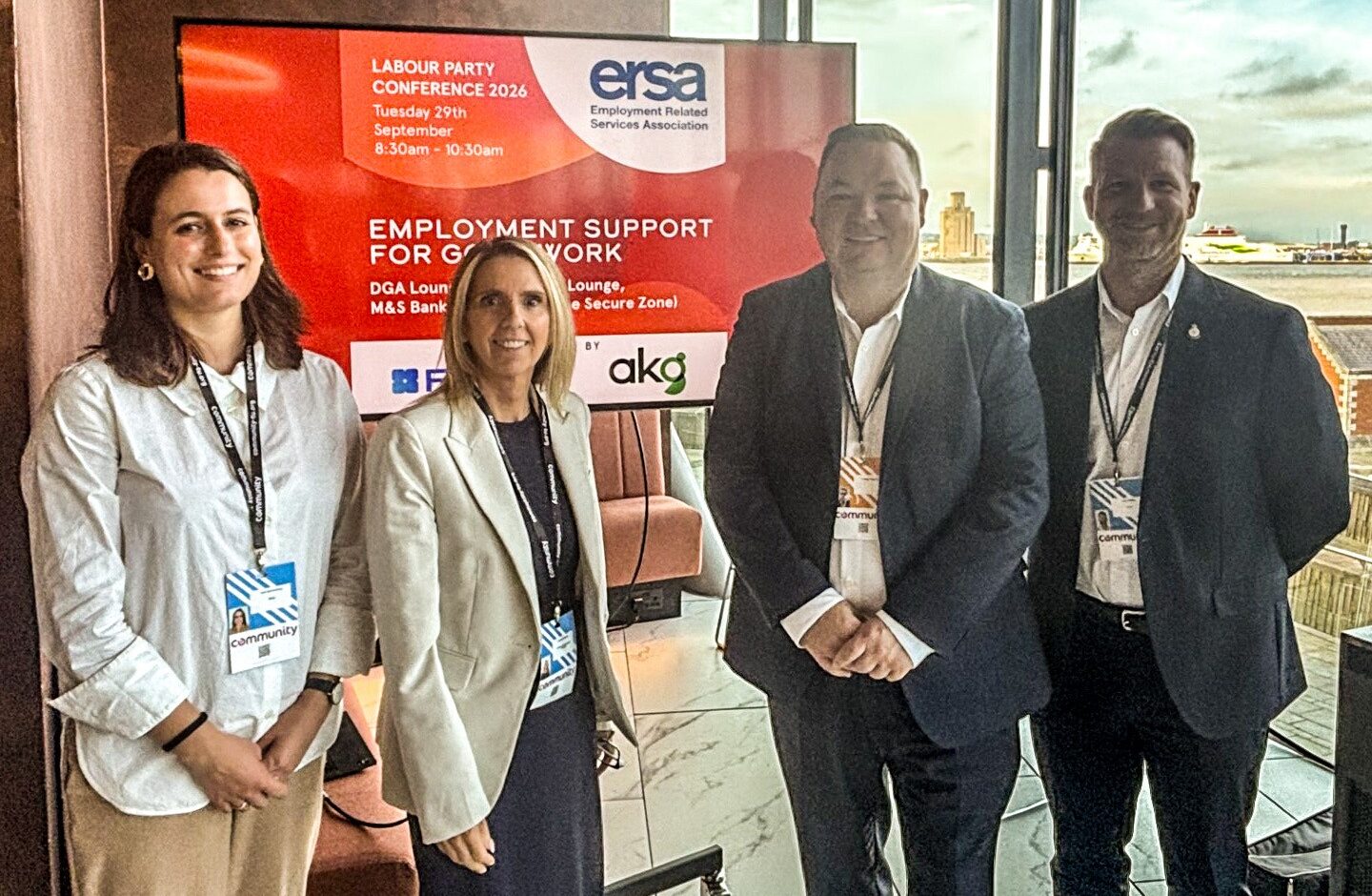
At Labour Party Conference in Liverpool, I joined Employment Minister Andrew Western MP for ERSA’s ‘Employment Support for Good Work’ panel. The discussion offered a practical view of the Government’s plans to devolve employment support to create a more effective, locally responsive system.
My focus was simple: devolution must make support easier and more effective for the person using it. Employment, skills, health and community services need to work as one system, backed by the infrastructure, partnerships and accountability required to deliver lasting outcomes.
Devolution is the opportunity and delivery is the test. Local control can help mayors and strategic authorities respond to their labour markets, employers and communities. But local ambition needs strong commissioning, continuity, clear assurance and firm performance management.
A shared ambition, but a delivery challenge
The Minister described the goal as building the most effective employment system for each area – and ensuring that reform means genuine devolution, not delegation.
The Minister argued that support should be devolved to the lowest practical level, with a single front door and local partners “hiding the wiring” so people experience one joined-up service. He stressed the need to understand why young people become NEET and to recognise the growing ask of employers. Employers want to help but need practical assistance and wraparound support to recruit and retain people with complex needs.
Employment support sits at the intersection of health, skills, youth unemployment and pressure on public services.
The test is whether local partnerships can turn that ambition into results without creating a postcode lottery. Local must mean more responsive, not more fragmented.
Mayors understand their places, but good decisions need good data. Local systems must share insight across employment, health, skills and housing to identify need, target support and track what works.
Start with the person, not the programme
People rarely face one barrier. Health, confidence, caring responsibilities, debt and transport all affect whether work is possible, and whether it lasts.
A trusted adviser can understand the whole picture, bring in specialist help and stay with the person. Nobody with complex needs should have to navigate a complex system alone.
Support must look beyond the “NEET” label, understand the reasons for disengagement and create routes into sustained work and progression.
Partnership cannot be an afterthought
Smaller providers and voluntary organisations bring specialist expertise and trust. AKG provides the infrastructure to ensure safeguarding, data, employer links, quality assurance and performance management. We help local organisations join larger programmes without losing what makes them effective.
The strongest systems combine local trust with clear accountability.
Good work must remain the goal
Employer engagement must reflect real demand: available jobs, required skills and the support people need to succeed. If employers are asked to recruit people with complex needs, they need help to adapt roles, support new starters and retain talent.
For AKG, success must be measured beyond job starts. The data should show whether support is reaching the right people and leading to sustained employment and progression.
The opportunity ahead
Our current approach already brings these principles together: trusted local partnerships, specialist support and strong delivery infrastructure focused on sustained outcomes. For Future Employment Support, we want to grow that model with mayors, commissioners, employers and community organisations. Combining local insight and relationships with the assurance and performance management needed to deliver consistently. We are ready to work with mayors and commissioners now to design and deliver the partnerships that will turn local ambition into better outcomes for people and places.